> For the complete documentation index, see [llms.txt](https://enterprise.hideez.com/llms.txt). Markdown versions of documentation pages are available by appending `.md` to page URLs; this page is available as [Markdown](https://enterprise.hideez.com/faq/hideez-key/how-to-enable-fido2-passwordless-authentication-with-microsoft-azure-ad-for-use-with-windows-10.md).
# How to enable FIDO2 passwordless authentication with Microsoft Azure AD for use with Windows 10-11
### 1. Add the user to the AD
1. Sign in to the [Azure portal](https://portal.azure.com/).
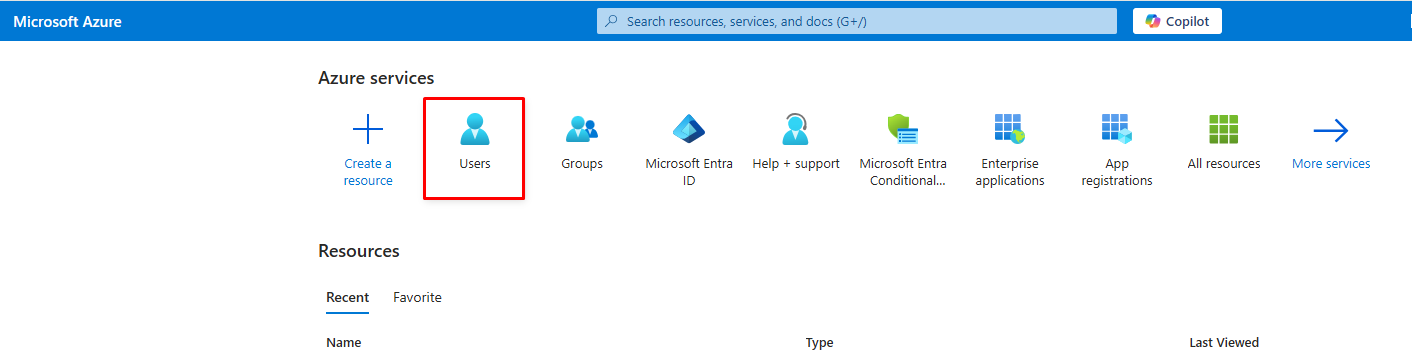
2. Go to **Azure Active Directory → Users**.
3. Click **New User**, fill in the required fields.
4. Click **Create**.
* The new user will appear in the list and will be ready for login.
### 2. Enable Authentication Methods and FIDO2 Keys
1. Sign in to the [Azure portal](https://portal.azure.com/) with a **Global Admin** or **Security Admin** account.
2. Go to **Azure Active Directory → Security → Authentication methods**.
3. Select **Passkey (FIDO2)**.
4. Set **Enable** to **Yes** → Click **Save**.
* A success notification will appear.
5. (Recommended) Also, enable passwordless sign-in via the **Microsoft Authenticator app**.
*Reference:* [*Microsoft official instructions*](https://docs.microsoft.com/en-us/azure/active-directory/authentication/howto-authentication-passwordless-security-key-windows#enable-security-keys-for-windows-sign-in)
### 3. Join a PC to Microsoft Entra ID (Azure AD)
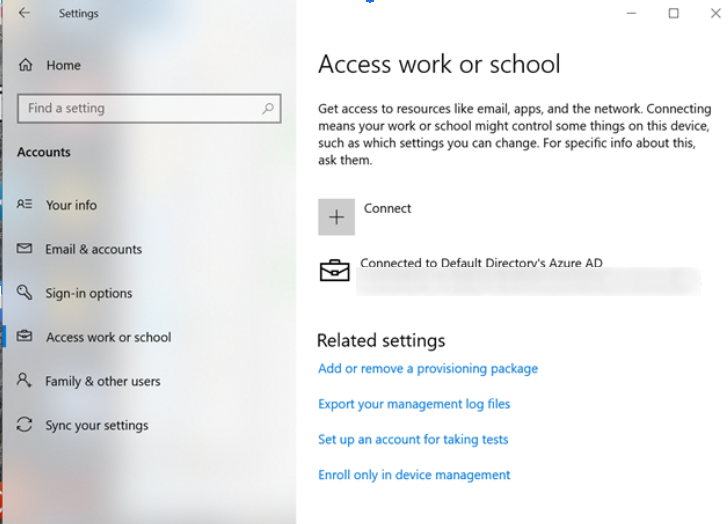
1. On the workstation, go to **Settings → Accounts → Access work or school → Connect**.
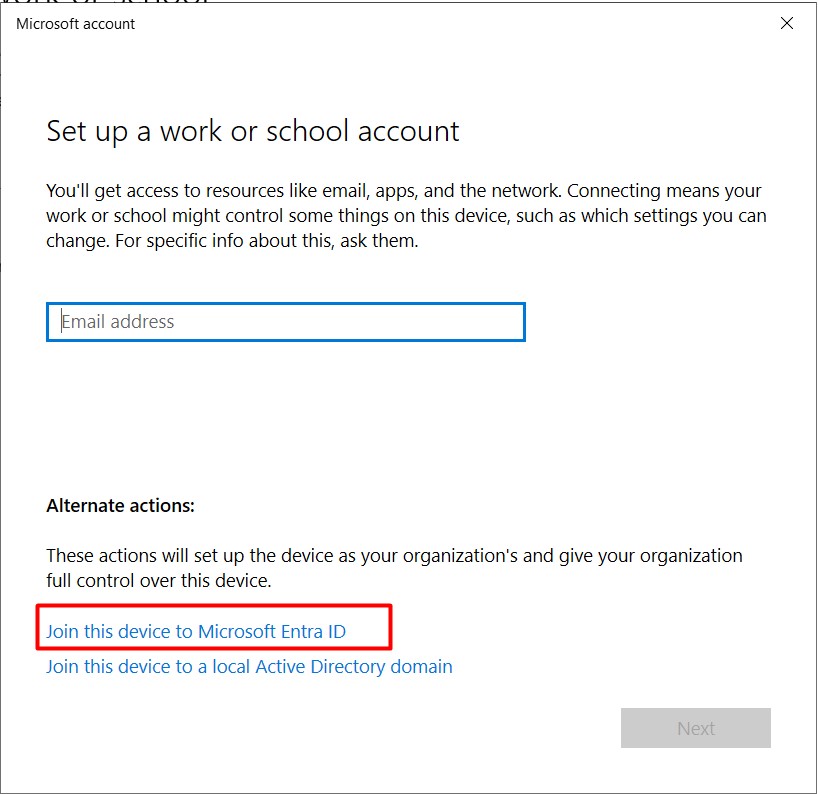
2. Click **Join this device to Microsoft Entra ID (Azure Active Directory)**.
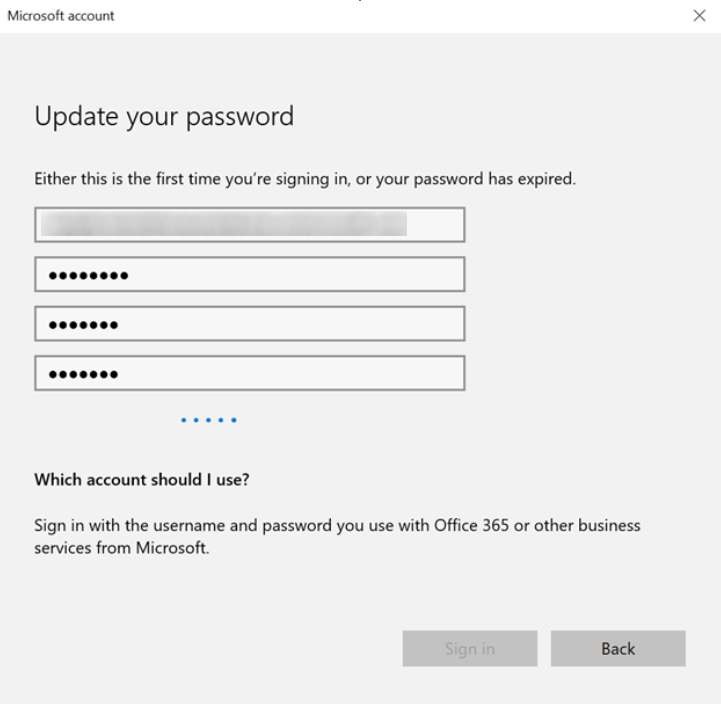
3. Enter the user’s Azure AD login and temporary password → set a new password.
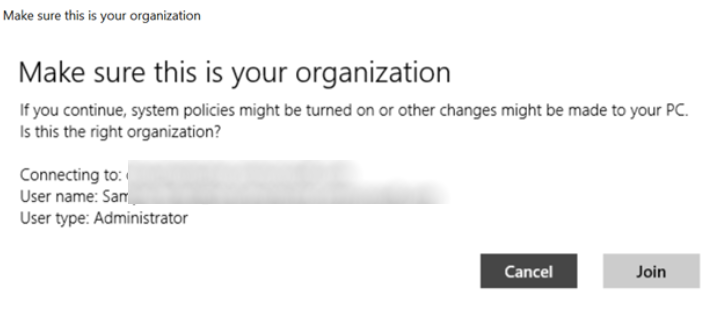
4. Click **Join** to confirm.
5. Verify the new account appears in **Settings**.
* You can now log in with the Azure AD password.
* System may prompt you to set up MFA (e.g., via phone) and a Windows PIN.
6. Click the "Join" button:
7. Verify that the new account appears in **Settings**.
* Users can now log in with their Azure AD account.
* The system may require **multi-factor authentication (MFA)** and a **Windows PIN**.
### 4. Enable FIDO2 Logon Support on Windows
1. Apply the provisioning package **FIDO enable package.ppkg (7KB)** to configure Windows for FIDO2 login.
* Double-click the file, **or**
* Go to **Settings → Accounts → Access work or school → Add a provisioning package**.
{% file src="/files/KVr0tw38B0H7Icyhkofx" %}
{% hint style="info" %}
This package configures Windows to allow FIDO2 security keys (such as Hideez Key) for passwordless login. Run it by double-clicking or applying via the “Access work or school” > “Add a provisioning package” option in Windows settings.
{% endhint %}
### 5. Register a Security Key in Microsoft Account
1. Sign in at [My Profile](https://myprofile.microsoft.com/).
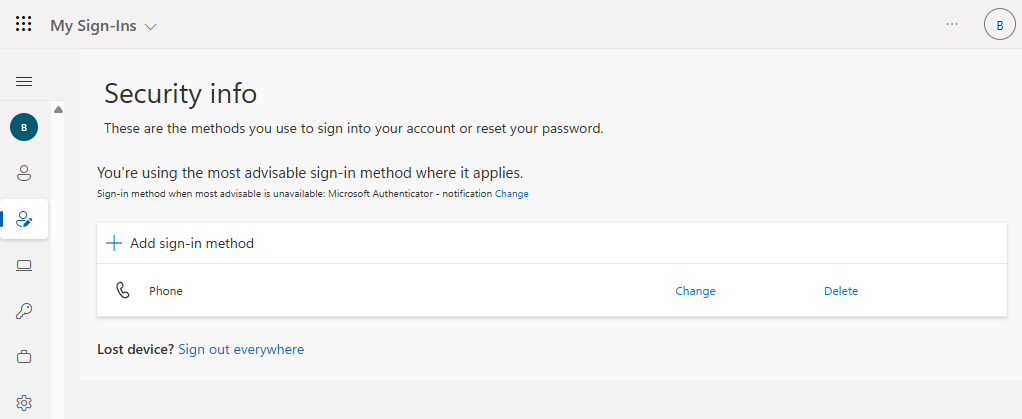
2. Go to **Security Info** → add a phone number (required for MFA).
3. Pair the **Hideez Key** with Windows.
{% embed url="" %}
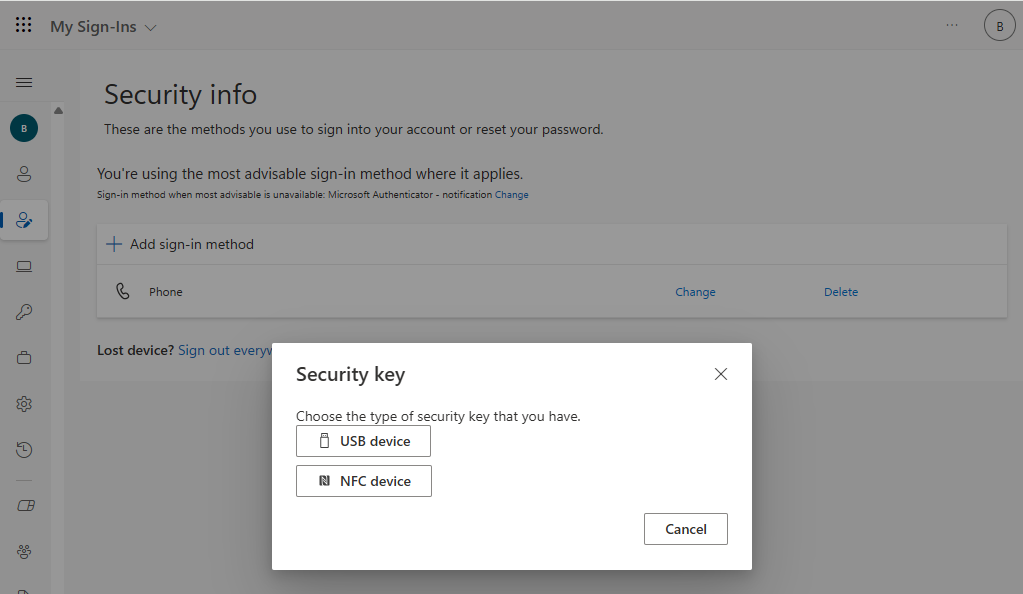
4. In **Security Info**, click **Add Method → Security Key**.
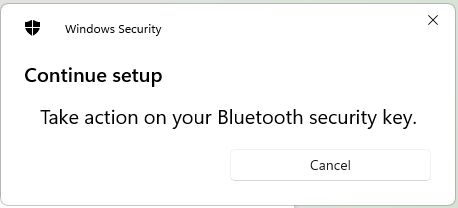
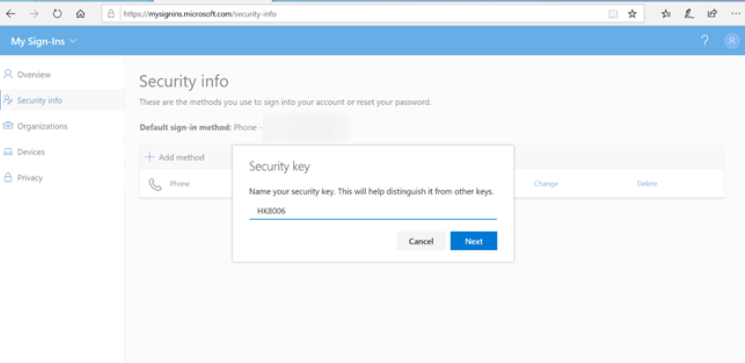
5. Follow the prompts:
* Insert or tap the security key.
* Enter the **PIN code** of your security key when requested.
* **Press the button** on the key (or tap NFC) to confirm.
* Assign a name to the key.
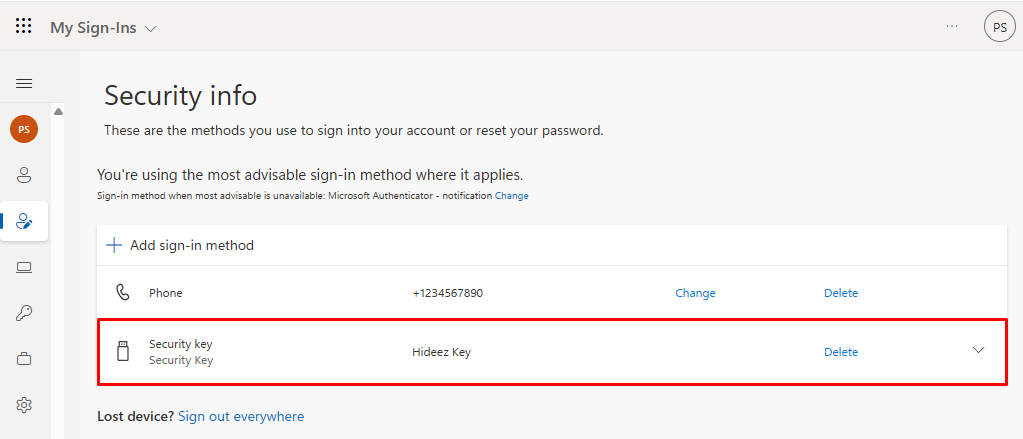
6. Confirm the key is listed among available authentication methods.
Now you can use [unlock PC by Security Key scenario](/use-cases/fido-security-key/unlock-pc-by-security-key.md).


 6. Click the "Join" button:
 7. Verify that the new account appears in **Settings**.
* Users can now log in with their Azure AD account.
* The system may require **multi-factor authentication (MFA)** and a **Windows PIN**.
7. Verify that the new account appears in **Settings**.
* Users can now log in with their Azure AD account.
* The system may require **multi-factor authentication (MFA)** and a **Windows PIN**.
 ### 4. Enable FIDO2 Logon Support on Windows
1. Apply the provisioning package **FIDO enable package.ppkg (7KB)** to configure Windows for FIDO2 login.
* Double-click the file, **or**
* Go to **Settings → Accounts → Access work or school → Add a provisioning package**.
{% file src="/files/KVr0tw38B0H7Icyhkofx" %}
{% hint style="info" %}
This package configures Windows to allow FIDO2 security keys (such as Hideez Key) for passwordless login. Run it by double-clicking or applying via the “Access work or school” > “Add a provisioning package” option in Windows settings.
{% endhint %}
### 5. Register a Security Key in Microsoft Account
1. Sign in at [My Profile](https://myprofile.microsoft.com/).
2. Go to **Security Info** → add a phone number (required for MFA).
### 4. Enable FIDO2 Logon Support on Windows
1. Apply the provisioning package **FIDO enable package.ppkg (7KB)** to configure Windows for FIDO2 login.
* Double-click the file, **or**
* Go to **Settings → Accounts → Access work or school → Add a provisioning package**.
{% file src="/files/KVr0tw38B0H7Icyhkofx" %}
{% hint style="info" %}
This package configures Windows to allow FIDO2 security keys (such as Hideez Key) for passwordless login. Run it by double-clicking or applying via the “Access work or school” > “Add a provisioning package” option in Windows settings.
{% endhint %}
### 5. Register a Security Key in Microsoft Account
1. Sign in at [My Profile](https://myprofile.microsoft.com/).
2. Go to **Security Info** → add a phone number (required for MFA).
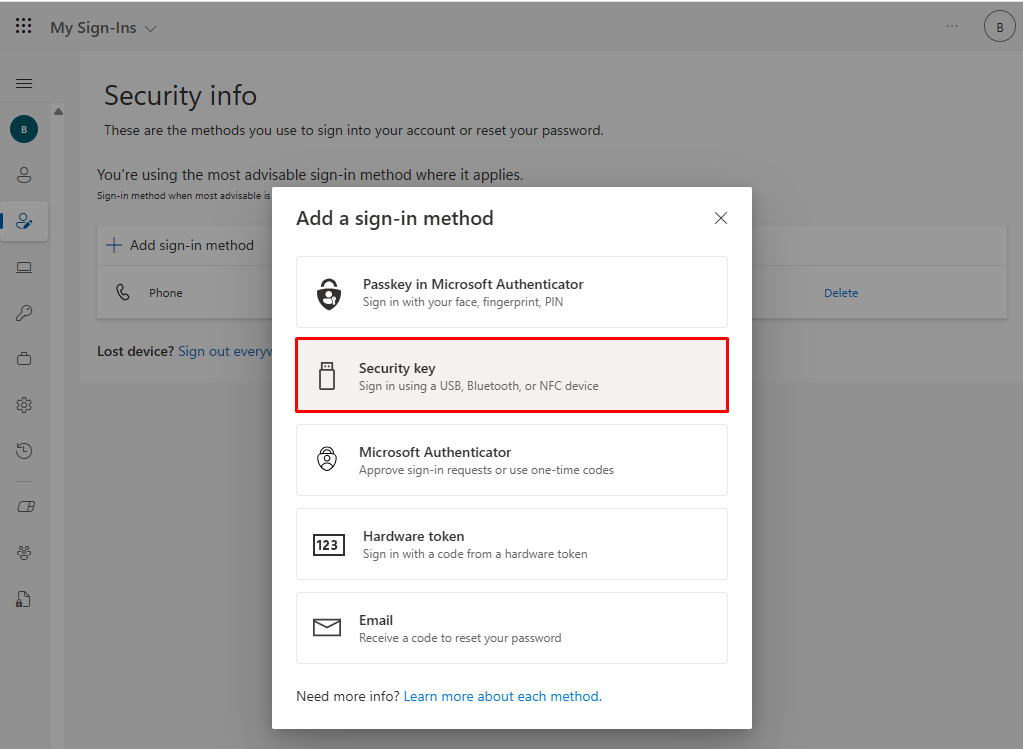

 6. Confirm the key is listed among available authentication methods.